

PHC Wigilia
PHC Christmas Market
Polish szopka
Polish Christmas gifts
author: IRENA FRACZEK
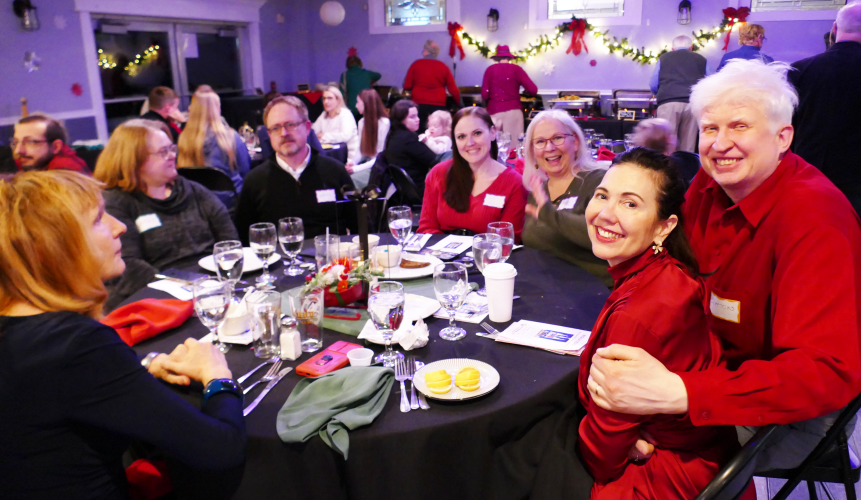
To see the pictures, click on the red title above OR the picture to the left.
 Lore of Polish Wigilia,
the Vigil Supper on Christmas Eve
1. Wigilia is the most significant part of Polish Christmas. In fact, it is more important to Poles than Christmas Day. Its name derives from the Latin word vigilare (to watch, be awake), in reference to waiting for Christ's birth. Wigilia has been celebrated in Poland since the 16th-17th century.
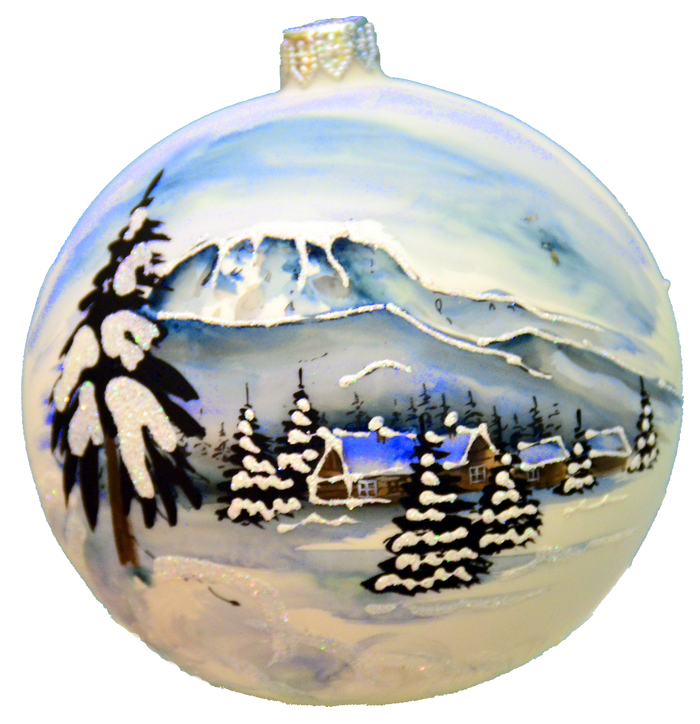 2. In memory of the star that led the Three Kings to Bethlehem, the feast begins after the first star appears in the sky. The task of spotting the star is usually delegated to children, adding to the excitement and anticipation in the air.
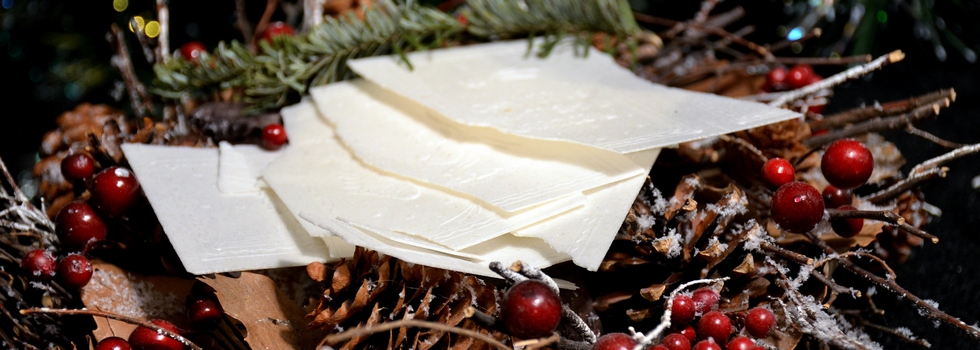
3. Supper begins with sharing of a wafer called opłatek (plural opłatki) and exchanging good wishes. The wafer is a symbol of reconciliation and forgiveness; hence Wigilia is the time to forgo old grudges and mend broken bridges. In older times, opłatki were shared also with household animals.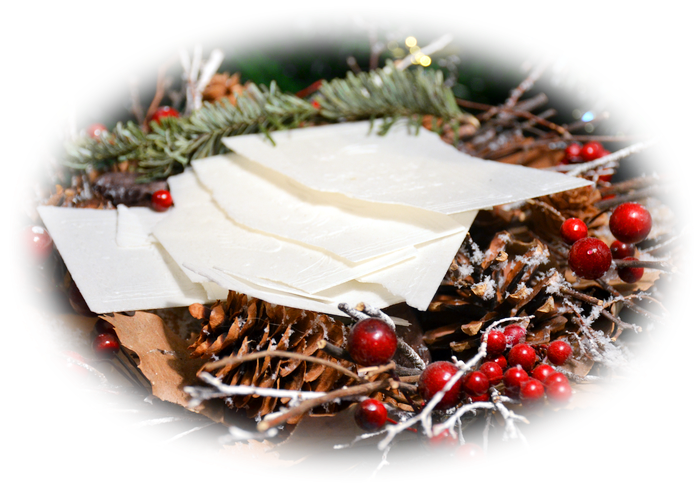
4. The bits of hay are often spread under the tablecloth as a reminder of Christ's birth in a manger. In some households, straws of hay are pulled out during the dinner to check what the future holds - the longest straight blade promises the greatest success in the upcoming year.
5. The table usually has an extra setting for an unexpected guest. This Christmas Eve tradition is meant to remember lonely people and invite to the table anyone who knocks on the door. An empty setting also signifies memory of loved ones who are too far to attend or have passed away.
6. The supper usually consists of 12 courses (for the 12 apostles). But in some regions of Poland, the odd number of dishes was served (7, 9, or 11, depending on affordability) because these numbers were believed to bring luck in the new year.
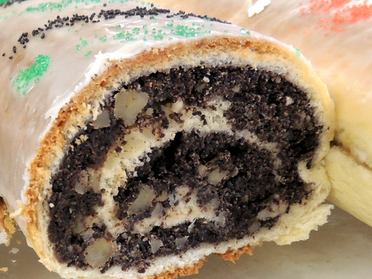 7. Although meat on Wigilia tables is no longer banned (since 2003), Poles continue to follow the meatless tradition. Fish reigns with numerous variations of herring and carp dishes. Red beet soup with uszka (bite-size dumplings filled with mushroom and/or sauerkraut) and wild mushroom soup are traditional choices. Poppy seed pastries and gingerbread cookies are dessert favorites.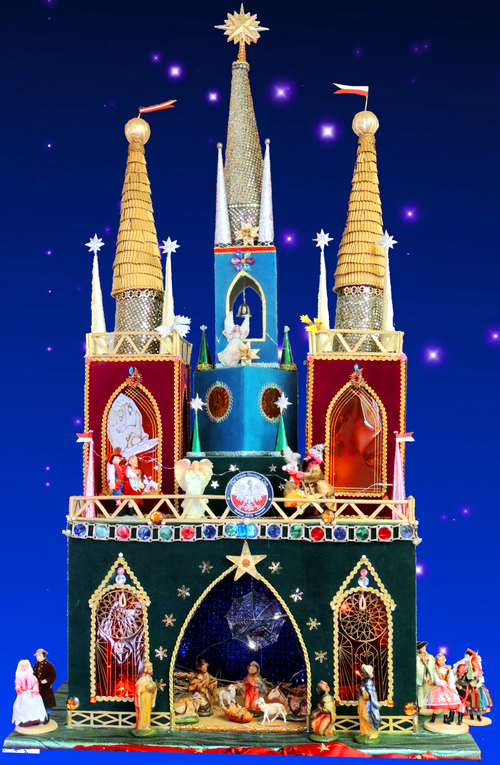
8. The time for Christmas gifts comes after the supper is over and families gather around the Christmas tree, which in many households is decorated on the day of Wigilia. The evening continues to the tune of kolędy (Christmas carols). And there is a lot to sing because Poland has over 1000 carols, more than any other Catholic country.
9. Wigilia festivities end with the solemn Midnight Mass. Its Polish name is Pasterka (the Shepherds Mass) in reference to shepherds heading to Bethlehem. The festive mass tends to be long because it includes singing carols. It is also typically so well attended that many can only listen to it from outside.
Compiled by Irena Fraczek 
Contact us at phcwisconsin@gmail.com
(608) 571-5727
Recent Events
2024 Christmas Market
2021 PHC Picnic
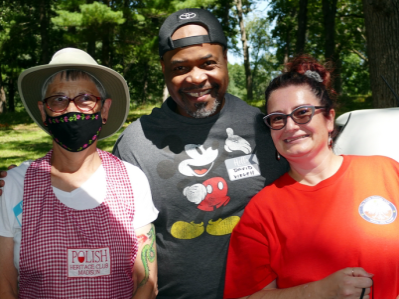
2020 Int'l Festival
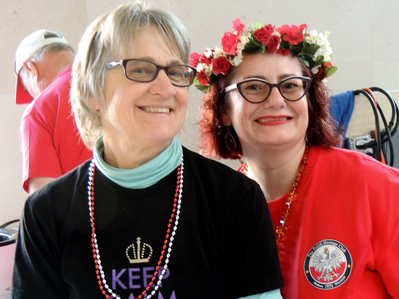
2019 Wigilia
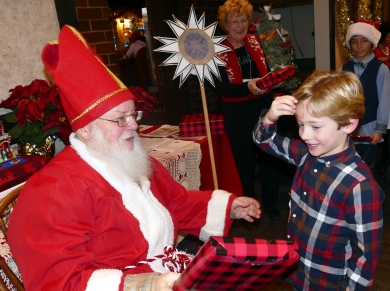
2019 Christmas Bazaar
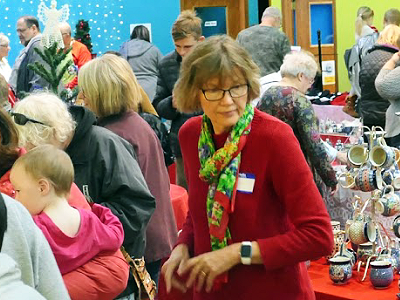
2019 Spring Festival
2018 Wigilia
2018 Christmas Bazaar
2018 Willy St. Fair & Parade